

Understanding Spiritual Awakening in Politics
Spiritual awakening, particularly within the political context, presents a nuanced and profound understanding of one’s relationship with the mechanisms and narratives that govern society. It is essential to recognize that spiritual awakening does not advocate for a retreat from political engagement. Instead, it calls individuals to cultivate a deeper awareness of their emotional responses and proactive engagement in political discourses. In essence, it encourages a reflective space where one can discern the difference between automatic reactions and intentional responses motivated by awareness.
Fear-based storytelling is a pervasive element in political rhetoric that can often cloud judgment and incite divisiveness. Those undergoing a spiritual awakening may become increasingly attuned to the ways in which narratives exploit fear to manipulate public sentiment or consolidate power. This awareness instills a critical perspective, allowing individuals to sift through the noise and identify underlying truths amid the chaos of political narratives.
Furthermore, the impulse to align with tribal loyalties can obscure one’s individual essence and moral compass. During turbulent political times, it is easy to become ensnared in groupthink, driven by the desire for belonging and acceptance. However, a spiritually awakened person acknowledges this tendency and actively seeks a balance between community affiliation and personal accountability. This balance paves the way for more constructive dialogue and collaborative solutions.
Ultimately, recognizing emotional reactions over rational thought is vital in a politically charged environment. Emotional intelligence, as informed by spiritual awakening, enables individuals to navigate complex political landscapes with clarity and purpose. It empowers citizens to engage in dialogue grounded in deeper understanding, fostering an environment where diverse perspectives can coexist peacefully, contributing to a more equitable political climate.

The Journey from Reaction to Response
The political landscape is often characterized by swift emotional reactions, which can lead to polarization and conflict. To navigate this complex environment successfully, it is imperative to differentiate between reacting and responding. Reacting is an instinctive, often impulsive action triggered by immediate stimuli, whereas responding requires a considered approach that involves reflection and critical thought.
A key aspect of fostering healthy political discourse lies in the ability to pause before acting. In an age of rapid information exchange, where sound bites and social media posts dominate narratives, the impulse to react can overshadow the capacity for deeper understanding. By taking a moment to reflect on our own beliefs as well as the beliefs of others, we elevate the conversation beyond mere slogans to one that encourages authentic engagement.
Listening becomes a vital component in this journey from reaction to response. By actively listening to differing viewpoints, individuals can cultivate empathy and a more comprehensive understanding of the multifaceted issues at hand. This practice not only enriches one’s perspective but also promotes a culture of dialogue. For example, a town hall meeting where community members from various backgrounds come together to discuss local issues can become a platform for meaningful exchange if individuals choose to engage in this reflective response rather than reacting out of frustration or allegiance to a particular political identity.
Furthermore, critical thinking should be championed as a fundamental skill in this evolving political sphere. By weighing evidence, considering counterarguments, and questioning assumptions, citizens can arrive at decisions that are informed rather than impulsive. This shift towards a more conscious engagement can lead to constructive political engagement, ultimately contributing to a healthier democracy.

Championing Compassion and Humanity in Discourse
In the current political landscape, where divisiveness often reigns, cultivating compassion and empathy is paramount for constructive discourse. Political interactions can quickly devolve into confrontations, fostering an environment where dehumanization prevails, particularly towards those holding differing views. This tendency impedes our ability to engage in meaningful discussions. Promoting a human-centered approach to disagreement allows individuals to express their beliefs without dismissing the humanity in others.
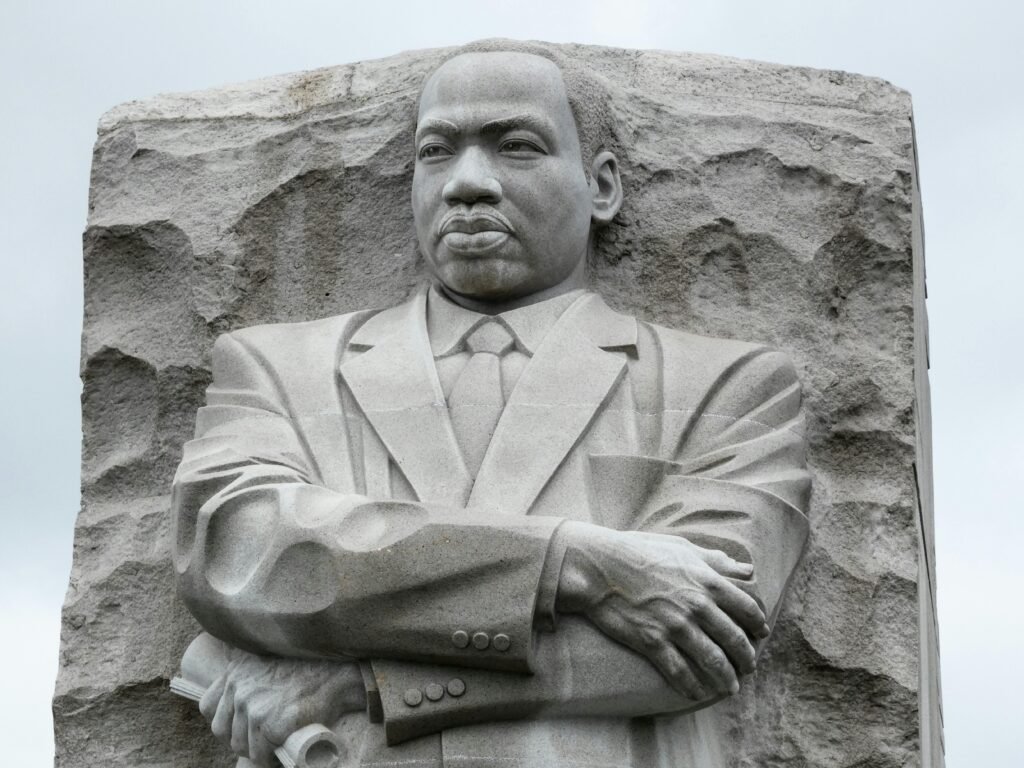
Historical figures such as Mahatma Gandhi and Martin Luther King Jr. exemplify how compassion can be interwoven with steadfast advocacy for justice. Gandhi’s philosophy of nonviolence instructed individuals to uphold their principles while simultaneously respecting their adversaries. In his view, understanding and compassion for opponents could translate into more effective activism. Similarly, Martin Luther King Jr. believed that love could be a powerful force in the fight against systemic injustice, demonstrating that one can challenge oppressive structures while maintaining a commitment to the dignity of all individuals.
When engaged in political discussions, acknowledging the shared humanity among participants fosters a suitable atmosphere for dialogue. This approach encourages individuals to listen actively and consider perspectives that diverge from their own. Furthermore, it emphasizes the necessity of compassion as an integral component of political engagement. Rather than merely seeking to win arguments, individuals can aspire to understand, learn, and grow through exchanges that might start from disagreement but lead to enlightenment.
In conclusion, navigating political discourse with compassion does not necessitate the abandonment of one’s convictions. Instead, it underscores that one can advocate for their beliefs vigorously while also valuing the humanity present in every interaction. By embracing a more empathic approach, we can mitigate the risks of dehumanization and cultivate an environment conducive to equitable dialogue.

Awakening as a Path to Civic Responsibility
The concept of spiritual awakening often evokes a sense of introspection and personal enlightenment, yet it can equally extend to the realm of civic responsibility within the political sphere. This awakening serves as a catalyst for individuals to engage consciously with their political environment by fostering a sense of responsibility that is informed, compassionate, and purposeful. Rather than retreat into apathy or despair amidst the often chaotic political landscape, those who have achieved personal awakening are more likely to embrace their role as informed citizens, actively participating in the democratic process.
A conscious approach to political engagement entails remaining well-informed about current affairs while avoiding the trap of becoming overwhelmed by the incessant flow of political drama. Instead of engaging in knee-jerk reactions to media portrayals, enlightened individuals are prompted to seek out objective truth, utilizing critical thinking skills honed through their awakening journey. This pursuit is not characterized by dogmatism or arrogance; rather, it encourages humility and an understanding that multiple perspectives exist. By appreciating diverse viewpoints, awakened individuals contribute to a more nuanced political discourse, highlighting the importance of dialogue and collaboration.
Furthermore, spiritual awakening pulses a sense of responsibility toward building a better society. Individuals motivated by compassion and wisdom are inspired to champion causes that resonate with their values, whether it is advocating for social justice, environmental sustainability, or economic equity. Their actions often transcend mere political involvement, evolving into a committed effort to advance community welfare and protect the vulnerable. Ultimately, the awakening in the political sphere embodies an active choice to engage with purpose, ensuring that civic responsibility is neither a chore nor a burden, but rather a fulfilling component of a meaningful life committed to humanity and the greater good.