
The Pineal Gland: An Introduction to Its Functions and Importance
The pineal gland is a small, pea-shaped endocrine gland located near the center of the brain between the two hemispheres, nestled within a groove where the two halves of the thalamus join. This unique anatomical positioning allows it to play a significant role in the body’s regulatory system, primarily influencing circadian rhythms and sleep patterns. The pineal gland produces the hormone melatonin, which is crucial for regulating sleep cycles. Melatonin production is stimulated by darkness and inhibited by light, thus allowing the body to maintain a natural rhythm aligned with day and night.
The significance of the pineal gland extends beyond regulating sleep. It also impacts mood regulation, reproductive functions, and the immune system. Studies suggest that the pineal gland may play a role in influencing a person’s mood through its connections to various neurotransmitters and its regulation of hormones. By managing melatonin levels, it aids in establishing healthy sleep patterns, which in turn affects emotional well-being and overall health. Disruptions in the functioning of the pineal gland can lead to mood disorders, sleep disturbances, and other health-related issues.
Furthermore, the pineal gland is often referred to as the “third eye,” a term that underscores its purported role in spiritual experiences and higher consciousness. This highlights the cultural and metaphysical implications often associated with the gland. In essence, maintaining a healthy pineal gland is crucial for holistic well-being, as it harmonizes sleep, supports emotional health, and contributes to the intricate balance of bodily functions. Regularly engaging in health-conscious practices can help ensure the pineal gland functions optimally, thus enhancing one’s quality of life.
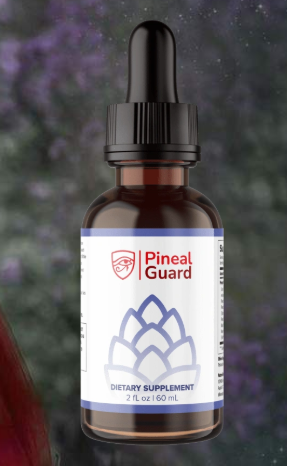
What is Pineal Guard?
Pineal Guard is a dietary supplement specifically designed to support and enhance the functionality of the pineal gland, an essential organ known for regulating sleep patterns and hormonal balance. This unique formula comprises hard-to-source ingredients that aim to promote the overall health of the pineal gland, which has been regarded for its potential role in spiritual and mental well-being.
The primary components of Pineal Guard include detoxifying agents, antioxidants, and nutrients known to support neuronal health. One of the standout ingredients is muira puama, an herbal extract believed to enhance cognitive function and alleviate stress. By incorporating this and other botanicals into its formulation, Pineal Guard distinguishes itself from other supplements on the market that may focus only on general wellness.
Another key element is the inclusion of essential fatty acids, which play a significant role in maintaining the structural integrity of neuronal membranes. These fats, combined with a blend of vitamins and minerals, contribute to both the physical and cognitive functions of the pineal gland. Furthermore, the supplement includes astaxanthin, a powerful antioxidant that can help protect the gland from oxidative stress, further enhancing its functional capacity.
What sets Pineal Guard apart is its holistic approach to wellness, emphasizing not just the physical aspects of pineal health but also the emotional and mental attributes associated with its optimal functioning. By supporting various facets of health, Pineal Guard aims to provide a comprehensive solution that can lead to improved sleep quality, enhanced mood, and a greater sense of overall well-being.
The Science Behind Pineal Guard’s Formula
Pineal Guard is a supplement designed to support and enhance the functionality of the pineal gland, an essential organ often linked to various biological processes, including sleep regulation and mood stabilization. The formula encompasses a range of natural ingredients, each chosen for their scientifically backed properties that contribute to not only pineal health but also overall well-being.
One of the key ingredients in Pineal Guard is melatonin, a hormone produced by the pineal gland itself. Numerous studies indicate that melatonin supplementation can enhance sleep patterns, especially in individuals suffering from insomnia. Research suggests that melatonin helps regulate circadian rhythms, thus promoting better sleep quality. Furthermore, it acts as a powerful antioxidant, protecting the body from oxidative stress, which can harm both the pineal gland and other organs.
Another crucial component is magnesium, a mineral known for its role in enzymatic reactions throughout the body. Scientific research has demonstrated that magnesium can modulate melatonin secretion, thereby influencing sleep onset and overall sleep quality. Additionally, magnesium assists in reducing anxiety levels by regulating neurotransmitter activity, which indirectly supports the health of the pineal gland.
Furthermore, the formula includes herbal extracts such as ashwagandha and ginkgo biloba. Ashwagandha is recognized for its adaptogenic properties, aiding in stress management and potentially reducing cortisol levels, which can adversely affect the pineal gland. Meanwhile, ginkgo biloba has been studied for its potential to enhance blood flow, ensuring that critical nutrients and oxygen reach the pineal gland and supporting its optimal function.
In summary, the blend of these ingredients not only promotes the health of the pineal gland but also enhances other physiological processes, providing users with a comprehensive approach to improving their overall health.

How to Incorporate Pineal Guard into Your Daily Routine
Incorporating Pineal Guard into your daily routine can be a beneficial strategy for enhancing your overall well-being. First and foremost, it is essential to determine the appropriate dosage, which typically ranges between 1 to 2 capsules per day, depending on individual health needs. It is advisable to take Pineal Guard in the morning or early afternoon to align with your body’s natural rhythms. This timing can help maximize its effects on the pineal gland while minimizing potential disruptions in sleep when taken later in the day.
To achieve optimal results, pairing Pineal Guard with healthy lifestyle changes is recommended. A well-balanced diet, rich in antioxidants, vitamins, and minerals, can support the effects of the supplement. Foods like leafy greens, berries, and nuts are excellent choices, as they contribute to the healthy functioning of the pineal gland. Moreover, ensuring proper hydration throughout the day can further enhance the supplement’s efficacy.
Sleep hygiene is another vital aspect to consider when incorporating Pineal Guard. Maintaining a consistent sleep schedule and creating a relaxing bedtime routine can significantly impact the health of the pineal gland, which is responsible for producing melatonin, a hormone essential for regulating sleep cycles. Reducing exposure to blue light from screens at least an hour before bedtime can also boost the effectiveness of Pineal Guard.
Although Pineal Guard is generally well-tolerated, some users may experience mild side effects, such as gastrointestinal discomfort or headaches. It is crucial for individuals with pre-existing medical conditions or those taking medications to consult a healthcare provider before beginning any new supplement regimen. Overall, Pineal Guard can be an effective addition for those looking to enhance their pineal gland function, provided it is integrated thoughtfully into daily practices.