
Understanding Reptilians: Myths and Theories
The concept of reptilians has captured the imagination of many, especially within the realms of conspiracy theories, mythology, and modern internet culture. Originating from various sources, these entities are often depicted as shape-shifting beings capable of assuming human form. This versatility fuels a range of theories suggesting that reptilians are not only extraterrestrial in nature but also deeply embedded within the fabric of human society, influencing our world in significant ways.
Historically, the idea of reptilian-like creatures appears in numerous mythologies across cultures. From ancient depictions of serpent gods to folkloric tales of dragon-like beings, the imagery surrounding reptiles has long been associated with power, deception, and manipulation. This mythological context provides a backdrop for contemporary interpretations and conspiracy theories that assert the existence of these entities.
Modern conspiracy theories primarily posit that reptilians are in control of key political and economic structures globally. Various proponents claim that these entities infiltrate positions of power, influencing major world events to maintain control over humanity. These theories are often fueled by various media, including documentaries and online forums, which perpetuate the belief that reptilians engage in shape-shifting to evade detection while operating from the shadows.
The idea that reptilians manipulate societal structures has attracted a vast following, spawning discussions about their methods and objectives. Critics of these theories often dismiss them as unfounded or purely fictional, while advocates cite historical patterns and coincidences as evidence of reptilian agency. The debate surrounding reptilians oscillates between skepticism and fascination, indicating a cultural resonance that suggests deeper anxieties about authority and the nature of reality.
The Roots of Reptilian Mythology in Ancient Civilizations
The concept of serpentine beings transcends geographic boundaries, permeating numerous ancient civilizations, where they often held significant cultural and religious meaning. In ancient Egyptian mythology, serpents were often depicted as symbols of power and protection. The deity Wadjet, represented as a cobra, served as a protector of the pharaohs and the land. This close association of serpent imagery with royalty and protection has led some theorists to connect these ancient beliefs with the modern notion of reptilian elites, suggesting that these connections may not be mere coincidences.
Similarly, in Aztec culture, Quetzalcoatl, the feathered serpent god, symbolized wisdom, life, and creativity. He played a vital role in creation myths and was considered a guiding figure for humanity. This dualistic representation—both as a divine leader and a representation of the earth’s abundant life—illustrates the complexity of serpent symbolism and its lasting impact on cultural narratives. The reverence for such beings may hint at enduring truths shared across generations, fostering speculation about the relevance of reptilians in contemporary discussions.
Furthermore, in Mesopotamian mythology, the serpent god Ningishzida was associated with the underworld and was a herald of renewal, aligning closely with themes of transformation and rebirth. These themes resonate within stories of enlightenment and power dynamics often associated with modern reptilian theories, suggesting that the ancients might have encountered beings that they interpreted as god-like forces. Likewise, Hindu traditions featuring beings like Naga also embody complex traits and powers often attributed to reptilian myths, emphasizing a cultural reverence that persists across time.
Through the examination of these ancient civilizations—from Egypt to the Americas, and across Asia—there seems to be a continuous thread of serpent-like beings that could indicate a shared human experience or truth long forgotten. As we explore these connections, it becomes increasingly plausible that modern reptilian theories may not just be figments of imagination but rather echoes from our collective past.

The Modern Reptilian Narrative: Claims and Believers
The narrative surrounding reptilian entities has captivated the imagination of many and shed light on a spectrum of beliefs concerning hidden forces operating within our societies. Central to this belief system is the idea that a group of shape-shifting elites, often identified as reptilians, exerts control over global political and financial systems. Proponents of this theory assert that these beings typically disguise themselves as human leaders, thereby manipulating societal structures and decision-making processes without the populace’s awareness.
Moreover, a significant aspect of modern reptilian theories involves the emphasis on certain bloodlines, which are purported to possess unique genetic traits linked to these mysterious entities. Advocates often cite historical figures and prominent families, claiming that their ancestral ties connect them to the reptilian race. This aspect of the reptilian narrative underscores a broader concern about the concentrations of power and the perpetuation of socioeconomic disparities under the guise of democratic governance.
Additionally, believers in the reptilian theory espouse the notion that crucial information revealing the existence of these entities is systematically suppressed by those in leadership positions. This serves to maintain a narrative that conceals the truth, perpetuating the belief that the general populace is kept in ignorance regarding the true nature of its rulers. The very nature of conspiracy theories surrounding reptilians allows individuals to confront their suspicions of systemic corruption and control, as they connect unverified claims to tangible realities they observe around them.
In summary, the modern reptilian narrative encapsulates a complex web of beliefs that reflect broader societal anxieties regarding power, transparency, and the hidden machinations of elite groups in contemporary civilization. Understanding this narrative requires not only an exploration of the claims made by believers but also an examination of the cultural context in which these theories thrive.
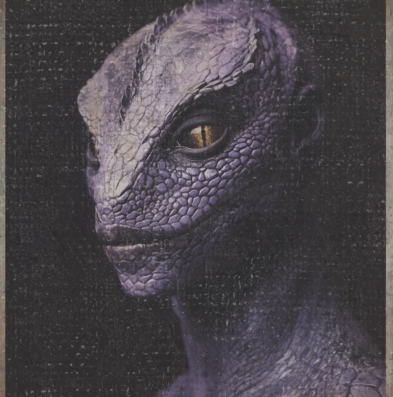
Critics, Skepticism, and the Ongoing Fascination with Reptilians
The concept of reptilians, purported shapeshifting aliens that covertly control human society, has garnered a significant following; however, it has also faced robust criticism and skepticism from various quarters. The primary contention among critics rests on the absence of scientific evidence substantiating the existence of these entities. Mainstream scientists and researchers have consistently dismissed claims about reptilians as mythology, often labeling them as conspiracy theories devoid of empirical support. Such evaluations underline the critical need for rigorous proof before accepting any extraordinary claims.
Psychological factors also play a pivotal role in understanding why some individuals subscribe to these theories. The appeal of reptilian narratives may stem from a desire to attribute sinister intentions to complex social and political phenomena, particularly in an era marked by distrust in institutions and authority figures. This phenomenon can be analyzed through the lens of social psychology, which suggests that belief in conspiracies may provide comfort during tumultuous times, enabling individuals to assign blame for societal issues rather than confronting the ambiguous reality.
Moreover, sociological interpretations examine the notion of reptilians as symbolic representations of societal challenges, particularly regarding power dynamics and inequality. The metaphorical interpretation suggests that the idea of a hidden elite manipulating the masses resonates with individuals and reflects deep-seated anxieties about transparency and accountability. This cultural fascination is amplified by popular media portrayals, from films to literature, that explore themes of hidden truths and the nature of power.
Ultimately, the ongoing fascination with reptilians speaks volumes about contemporary societal concerns. It engages with broader questions about trust, authority, and the quest for knowledge in an increasingly complex world. Despite the skepticism, reptilians persist in the collective consciousness as a striking example of humanity’s propensity for myth-making and the enduring appeal of the unknown.