
Understanding Meditation: What is it and Why Practice it?
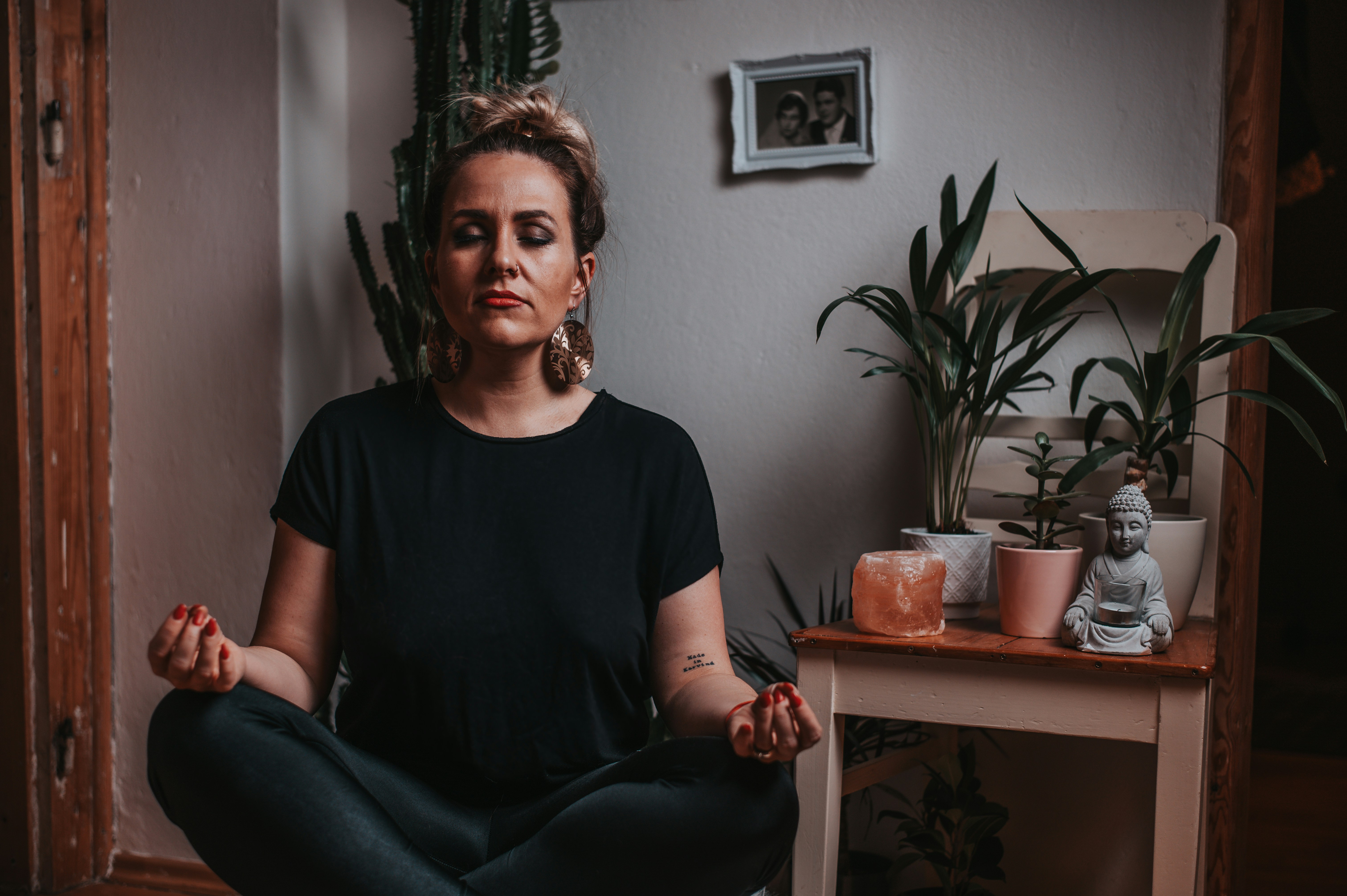
Meditation is a practice that encourages individuals to focus their attention and cultivate awareness in the present moment. It has been embraced across various cultures and traditions, evolving into myriad techniques that serve different purposes. At its core, meditation is designed to promote a state of mental clarity and emotional stability, enabling practitioners to connect more deeply with themselves and their environment.
The benefits of meditation are extensive and well-documented. Primarily, it is recognized for its role in stress relief. Regular practitioners often report a significant decrease in anxiety levels and an enhanced ability to cope with stressful situations. This reduction in stress contributes to improved overall health, as it positively affects both the mind and body, promoting a sense of calm and relaxation.
Moreover, meditation enhances mental clarity by enabling individuals to sharpen their focus and improve their concentration. As a result, those who engage in consistent practice may experience enhanced productivity and better decision-making skills. This heightened awareness also fosters spiritual growth, as meditation allows individuals to explore their inner selves, leading to greater insights and revelations about life and one’s purpose.
Additionally, meditation plays a vital role in fostering deeper self-awareness. By regularly engaging in this practice, individuals develop a greater understanding of their thoughts, emotions, and behavioral patterns, promoting personal growth. This journey towards self-awareness is accessible to anyone; there is no requirement for special equipment, nor is prior experience necessary.
In essence, meditation serves as a versatile tool for anyone seeking inner peace, personal development, and improved emotional well-being. Its simplicity and effectiveness make it a worthy addition to anyone’s daily routine.
Preparing for Meditation: Creating the Right Environment
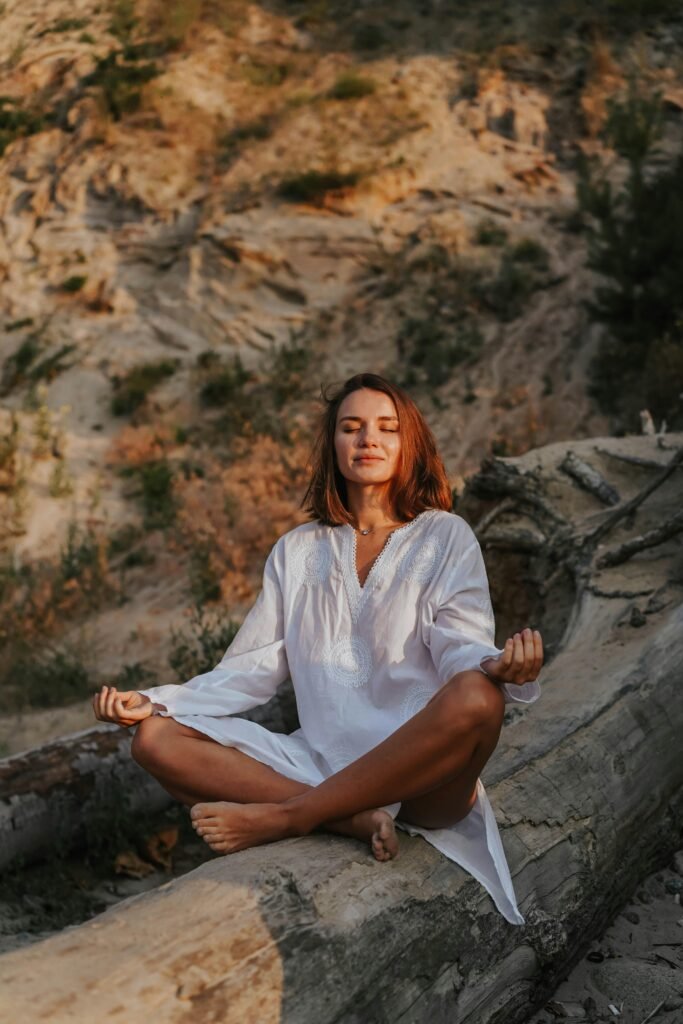
Successfully embarking on a meditation journey requires the right preparation, which fundamentally involves creating an optimal environment that supports concentration and relaxation. The first step in preparing for meditation is to select a quiet location that minimizes distractions. This space should ideally be free from interruptions and disturbances, allowing for a tranquil atmosphere conducive to deep reflection and inner peace. Consider setting up a dedicated area in your home that can be reserved solely for meditation, enhancing the practice’s significance.
Comfort is vital during meditation; therefore, the clothing you wear should facilitate ease of movement and relaxation. Opt for loose-fitting garments made from soft materials to prevent discomfort and distraction while meditating. Additionally, consider utilizing cushions or mats that provide adequate support and cushioning, further enhancing physical comfort and making it easier to maintain focus during your session.
Establishing a regular schedule for meditation practice is equally important. Consistency in timing helps signal your mind and body that it is time to engage in-focused reflection. Whether it is early morning, mid-afternoon, or evening, find a time that resonates with your personal schedule and stick to it. This regularity fosters a habitual approach, making the transition into meditation smoother and more natural over time.
To further promote an ideal meditative environment, implement strategies to manage potential distractions. Breath awareness techniques can be incredibly beneficial; focusing on slow, deep breaths can center your mind and drown out external noises. Additionally, consider incorporating calming music or nature sounds, which can serve as an audible anchor, guiding you deeper into meditation. By merging these elements, you can establish a nurturing space that significantly enhances your meditation experience.
Basic Techniques: How to Start Meditating
Starting a meditation practice can be a transformative experience, offering numerous benefits for mental clarity and emotional well-being. For beginners, there are several accessible techniques that can help initiate this journey towards inner peace.
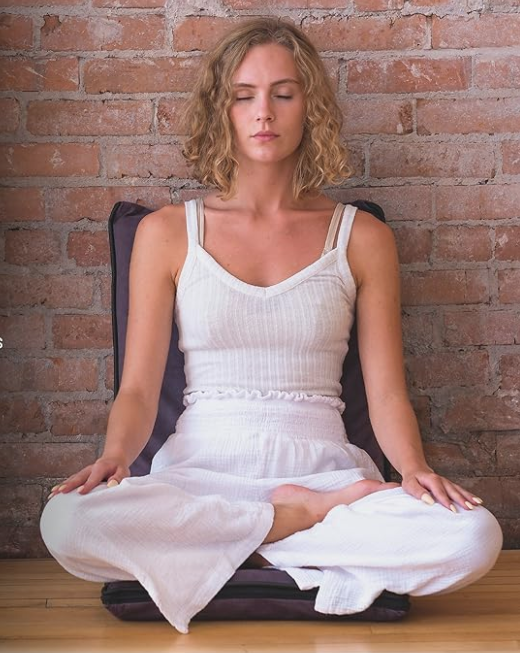
One of the most common methods is focused attention, which involves concentrating on the breath. To practice this technique, find a quiet space and sit comfortably. Close your eyes gently and take a few deep breaths. As you breathe in and out, focus your attention on the sensation of the air entering and leaving your nostrils or the rise and fall of your abdomen. If your mind begins to wander, acknowledge the distraction without judgment and gently redirect your focus back to your breath. Aim to meditate for about 5 to 10 minutes initially, gradually increasing the duration as you become more comfortable.
Another effective technique is the body scan, which promotes relaxation by directing awareness to different parts of the body. Begin by lying down in a comfortable position. Starting at your toes, mentally scan each part of your body, noticing any sensations or tension. Slowly move your attention upward through your legs, torso, arms, and finally to your head. Spend several moments on each area and allow yourself to relax as you acknowledge the sensations you feel.
Finally, guided visualization can be beneficial for those who prefer a structured approach. Utilize a guided meditation recording that takes you through peaceful imagery, such as a serene forest or tranquil beach. Follow the guide’s instructions, letting the imagery unfold in your mind. This method can help maintain focus and foster a sense of calm.
Beginners may encounter challenges, such as restlessness or difficulty focusing. It’s essential to remember that these experiences are normal. If distractions arise, gently bring your focus back without frustration. Regular practice will build your concentration and mindfulness over time, leading to a more fulfilling meditation experience.

Making Meditation a Habit: Tips for Consistency
Integrating meditation into daily life is crucial for reaping its full benefits. To establish a consistent practice, beginners are encouraged to set realistic goals. This might mean starting with just five minutes a day and gradually increasing the duration as comfort grows. Such a manageable approach reduces the chance of feeling overwhelmed, making it easier to stick with the practice over time.
Creating a meditation schedule can significantly enhance consistency. By choosing a specific time for meditation—whether it be morning, during lunch, or before bed—individuals can develop a routine that becomes part of their daily activities. Consistency is key; thus, it is beneficial to align meditation sessions with other regular habits, such as brushing teeth or having meals, reinforcing the importance of mindfulness in everyday life.
Utilizing journaling is another effective strategy. Keeping a meditation journal can help track progress and reflect on experiences. By noting down thoughts, feelings, and any challenges faced during sessions, practitioners can gain insight into their personal growth over time. This reflection can foster a deeper understanding of the evolution of one’s meditation practice, highlighting changes and improvements that might otherwise go unnoticed.
Additionally, support from external tools can greatly enhance meditation efforts. Meditation apps offer guided sessions and reminders, while group classes create a sense of accountability and community. Engaging with others who share similar goals can provide motivation and encouragement, making the practice feel more enriching.
Ultimately, patience is essential as one embarks on this journey. Recognizing that meditation is a personal endeavor allows for a more forgiving attitude toward progress. Embrace the journey, and remember that every effort counts toward cultivating a more peaceful and mindful existence.