
Introduction to Hans Wilhelm
Hans Wilhelm is a renowned figure within the realm of spiritual teaching, recognized for his profound insights and contributions to understanding the intricacies of human existence and consciousness. Born in Germany, Wilhelm’s early life was marked by a diverse array of experiences that laid the foundation for his later spiritual journey. His formative years are often characterized by a quest for knowledge and a deep-seated curiosity about the nature of life and the universe.
Wilhelm’s influences began with his family, particularly his mother, who nurtured his inquisitive spirit and encouraged him to explore various philosophical and spiritual traditions. His academic pursuits led him to study psychology, literature, and art, providing him with a multifaceted perspective that would eventually inform his teachings. Over time, Wilhelm’s interests evolved towards more esoteric subjects, including metaphysics and mysticism, guiding him towards a path that emphasized connectivity and holistic understanding.

Among Wilhelm’s notable accomplishments is his authorship of several influential books and articles that encapsulate his teachings on spirituality. His works emphasize the importance of personal empowerment and encourage individuals to embrace their spiritual journeys. His teachings have reached a global audience through workshops, lectures, and multimedia content that blends storytelling with profound spiritual concepts. Furthermore, he is widely recognized for his ability to articulate complex spiritual ideas in a manner that is accessible to many, bridging the gap between traditional spirituality and modern sensibilities.
In sum, Hans Wilhelm stands as a significant figure in contemporary spirituality, offering insights drawn from a rich tapestry of life experiences and intellectual engagement. His ongoing contributions continue to inspire and educate those seeking a deeper understanding of their spiritual paths.
Hans Wilhelm’s Spiritual Journey
Hans Wilhelm embarked on his spiritual journey at a young age, driven by an innate curiosity about the nature of existence and the purpose of life. His exploration was marked by significant milestones that shaped his understanding and experiences over the years. One of the first pivotal moments occurred during his adolescence when he encountered various philosophical and spiritual texts. These readings instigated profound questions within him and ignited a desire to seek deeper truths beyond the visible world.
As Wilhelm transitioned into adulthood, he sought practical experiences that would further illuminate his path. He participated in numerous retreats and spiritual workshops that facilitated direct engagement with various spiritual traditions. During these transformative encounters, he learned techniques such as meditation and mindfulness, allowing him to cultivate an awareness of his internal landscape. At this juncture, he began to realize that spirituality is not solely a theoretical pursuit but a lived experience that can foster personal transformation.
One defining revelation came during a silent meditation retreat, where Wilhelm experienced a deep sense of interconnectedness with all beings. This pivotal moment of unity reshaped his perspective on life, emphasizing compassion and understanding as core tenets of his spiritual philosophy. Consequently, he started integrating these principles into his daily routine, striving to embody the teachings he had learned.
Through these key experiences and personal revelations, Hans Wilhelm forged a path toward enlightenment characterized by continuous learning and growth. Each moment of transformation not only enriched his spiritual understanding but also equipped him to share his insights with others. His journey serves as an inspiration, reflecting the profound potential for personal evolution inherent in the quest for spiritual understanding.

Core Principles of Hans Wilhelm’s Teachings
Hans Wilhelm’s teachings encompass a range of profound and transformative principles aimed at fostering personal growth and spiritual enlightenment. A pivotal aspect of his philosophy is mindfulness, which encourages individuals to immerse themselves fully in the present moment. This practice aids in cultivating awareness, enabling practitioners to better understand their thoughts, emotions, and the world around them.
Self-awareness is another cornerstone of Wilhelm’s teachings. By promoting self-reflection, individuals can gain insight into their behaviors and motivations. Through this process, they become more attuned to their inner selves and can identify the areas in need of improvement. This introspective journey often leads to significant personal growth, allowing individuals to nurture their authentic selves and pursue their true potential.
Another fundamental concept found in Hans Wilhelm’s teachings is the interconnectedness of all beings. He emphasizes that every individual is part of a larger tapestry of existence, where each person’s actions and intentions can have far-reaching effects on others and the environment. Recognizing this interconnectedness encourages individuals to act with compassion, understanding, and empathy towards those around them, fostering a sense of community and collective responsibility.
Additionally, Wilhelm advocates for the importance of living in harmony with nature and respecting the balance of all living entities. He believes that our relationship with the natural world is essential for our well-being and spiritual growth. By promoting stewardship of the earth, his teachings inspire individuals to cultivate a sense of gratitude and reverence for the life that surrounds them.
Incorporating these core principles into daily life can lead to a more fulfilling and enriched experience, steering individuals towards not only personal development but also towards contributing to a more harmonious and compassionate world.
Practical Applications of His Teachings
Hans Wilhelm’s teachings emphasize spiritual growth and personal development through practical applications that can be easily integrated into daily life. One of the fundamental aspects of his philosophy is the recognition of the interconnectedness of all beings. To embody this principle, individuals can engage in daily mindful practices such as meditation or reflective journaling. Setting aside even a few minutes each day to meditate can significantly enhance one’s awareness and foster a deeper connection with oneself and the universe.
Additionally, Wilhelm advocates for compassion and empathy in personal interactions. Practicing active listening during conversations can help cultivate a more compassionate mindset. By focusing fully on the speaker without any distractions, individuals can develop a better understanding of different perspectives, leading to stronger interpersonal relationships and a sense of community.
Another practical application is the concept of gratitude, which is prevalent in Wilhelm’s teachings. Creating a gratitude journal can be an effective way to start recognizing and appreciating positive aspects of life. By noting down three things one is grateful for each day, individuals can shift their focus from negativity to positivity, enhancing their overall spiritual well-being.
Engaging in volunteer work or community service is also a powerful way to connect with others and practice the principles of kindness and service that Hans Wilhelm espouses. Helping those in need not only benefits the community but also fosters a sense of fulfillment and purpose in one’s own life.
Ultimately, implementing these teachings into one’s daily routine requires consistency and commitment. By intentionally incorporating practices like mindfulness, empathy, gratitude, and community engagement, individuals can cultivate a richer spiritual life and embrace the lessons imparted by Hans Wilhelm.

Influences on Hans Wilhelm’s Teachings
Hans Wilhelm’s spiritual teachings are deeply rooted in a rich tapestry of influences from various traditions, philosophical works, and personal experiences. One of the central threads connecting his teachings is the concept of universal truth, which finds resonance in Eastern philosophies, particularly Hinduism and Buddhism. These traditions emphasize the interconnectedness of all beings and the pursuit of inner peace—a notion that Wilhelm interweaves throughout his work.
Further, Wilhelm’s exposure to Western spiritual leaders has played a pivotal role in shaping his perspectives. Figures such as Carl Jung, with his focus on the psyche and the collective unconscious, have influenced Wilhelm’s understanding of human consciousness and its spiritual dimensions. Jung’s ideas about archetypes and personal transformation resonate with Wilhelm’s approach to self-exploration and growth.
Additionally, Wilhelm draws inspiration from various literary and historical texts that focus on spirituality and self-awareness. Books by spiritual teachers such as Eckhart Tolle and Marianne Williamson have contributed to his outlook, particularly in understanding the power of the mind in shaping one’s reality. These readings encourage a narrative of empowerment—an idea that resonates with Wilhelm’s teachings on personal responsibility and the transformative power of thoughts.
The amalgamation of these influences not only highlights the diversity in Wilhelm’s perspective but also signals a broader spiritual landscape that transcends individual traditions. By blending the wisdom from Eastern and Western philosophies, Wilhelm provides a comprehensive understanding of spirituality that appeals to a wide audience. This holistic approach is what makes his teachings relevant in today’s rapidly changing world, inviting individuals to embark on their unique spiritual journey.
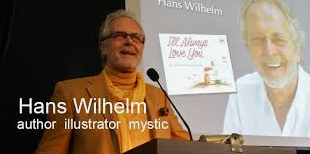
Personal Anecdotes from Hans Wilhelm
Hans Wilhelm, a renowned spiritual teacher, has shared numerous personal anecdotes that reflect his teachings and philosophy. One of the most compelling stories comes from his early years, when he faced significant challenges that tested his resilience and character. Growing up in a modest household, Wilhelm frequently encountered financial hardships. Yet, rather than succumbing to despair, he learned to embrace gratitude during these trying times. This crucial lesson in gratitude, he explains, became the foundation of his spiritual journey and is a key principle in his teachings.
In one particular instance, Wilhelm recounts how he lost a job that he believed was essential for his stability. Initially devastated, he spent time in contemplation, reflecting on what he truly valued in life. During this period of introspection, he discovered a passion for art and healing that had remained dormant. This experience not only paved the way for a career shift but also highlighted the importance of trusting life’s unfolding journey. Vilhelm encourages his followers to perceive setbacks as opportunities for growth, a theme echoed in his lectures and writings.
Moreover, many individuals who have followed Wilhelm’s guidance share similar transformative experiences. One follower recounts her battle with anxiety and how utilizing Wilhelm’s techniques and practices provided her with a newfound sense of peace. By applying the principles of mindfulness and self-awareness, she learned to shift her perspective, allowing her to navigate life’s uncertainties with grace and resilience. Such narratives exemplify how Wilhelm’s teachings manifest in the lives of those who embrace his mentorship.
These personal anecdotes and shared stories illustrate the practical application of Hans Wilhelm’s spiritual teachings. They inspire others to adopt a mindful approach to life’s challenges, highlighting that profound transformation is achievable through dedication to personal growth and self-discovery.

Critiques and Controversies
Hans Wilhelm, a noted figure in spiritual teachings, has attracted both followers and critics throughout his career. Critics often raise concerns regarding the depth and academic rigor of his teachings, suggesting that his interpretations may lack the scholarly foundation expected in more traditional spiritual literature. These critiques highlight the importance of critical analysis in the study of spiritual concepts, emphasizing the need for a solid grounding in philosophy and theology.
Furthermore, some detractors question Wilhelm’s emphasis on personal experience and introspection as the primary means of spiritual understanding. They argue that such an approach can lead to subjective interpretations that may not resonate universally across different cultural or spiritual backgrounds. This subjectivity can create discrepancies in the credibility of his teachings, prompting further debate among scholars and practitioners in the field.
On the other hand, many of Wilhelm’s supporters contend that his teachings provide valuable insights that resonate with a contemporary audience seeking personal growth and spiritual awakening. They argue that his accessible style and focus on individual experience are what make his work relevant, especially in a world where many are disenchanted with traditional structures of authority in spirituality.
Moreover, some controversies have arisen from Wilhelm’s interpretations of various spiritual concepts, leading to differing viewpoints on topics such as reincarnation and the nature of consciousness. While some readers find profound truth and utility in his descriptions, others feel that his perspectives do not fully align with established spiritual doctrines or are too optimistic about human potential.
In reflecting on these critiques and controversies, it is essential to acknowledge the diversity of opinion surrounding Hans Wilhelm’s teachings. Engaging with both supportive and critical viewpoints can lead to a more comprehensive understanding of his work and its implications within the broader spiritual landscape.

Recent Developments and Current Work
Hans Wilhelm, renowned for his deeply resonant spiritual teachings and profound insights, continues to actively shape contemporary discourse on spirituality. In the past few years, his work has expanded to include a variety of mediums aimed at reaching a broader audience. Notably, Wilhelm has been incorporating digital platforms to disseminate his teachings, utilizing webinars, online courses, and a robust social media presence to engage with individuals across the globe.
One of his recent endeavors is the launch of a series of virtual workshops, where he delves into specific themes surrounding self-discovery, spiritual growth, and the interconnectedness of life. These workshops not only provide participants with a chance to learn directly from Wilhelm’s extensive knowledge but also create a community of like-minded individuals seeking personal and spiritual enrichment.
In addition to the workshops, Hans Wilhelm has been prolific in his written contributions. His latest book, which explores the themes of inner peace and mindfulness, has garnered significant attention and praise. This publication reflects his ability to adapt timeless spiritual principles to modern-day challenges, encouraging readers to implement practical strategies in their daily lives.
Furthermore, Wilhelm is actively involved in collaborative projects that emphasize the importance of holistic spirituality. These collaborative works not only enrich his own teachings but also highlight a diverse range of perspectives within the spiritual community. His commitment to lifelong learning and sharing wisdom remains as strong as ever, indicating his ongoing dedication to fostering spiritual growth in a rapidly evolving world.
Overall, Hans Wilhelm’s recent developments and current work exemplify his dedication to guiding others on their spiritual journey, while also emphasizing the necessity of adaptability in an ever-changing context.

Conclusion and Call to Action
The life and spiritual teachings of Hans Wilhelm serve as a profound source of inspiration for those seeking a deeper understanding of themselves and the universe. Through his emphasis on love, acceptance, and the importance of spiritual growth, Wilhelm provides valuable insights that resonate across various religions and philosophies. His work encourages individuals to reflect on their personal journeys and the interconnectedness of all beings, urging them to tap into their inner wisdom and spiritual awareness.
One of the key takeaways from Wilhelm’s teachings is the idea that spirituality is not confined to traditional practices or dogmas; rather, it is a personal exploration that touches the essence of existence. His teachings remind us that it is essential to cultivate a mindset of openness, compassion, and curiosity as we navigate our spiritual paths. By embracing these attributes, we can foster a more profound connection with ourselves and others.
Moreover, Wilhelm highlights the significance of mindfulness and living in the present moment. In a world often dominated by distractions and noise, his insights prompt us to slow down, reflect, and engage with our surroundings meaningfully. This practice not only enhances our spiritual growth but also enriches our daily experiences.
In closing, readers are encouraged to delve into the teachings of Hans Wilhelm and consider how they can apply his insights to their daily lives. Whether it involves meditative practices, acts of kindness, or simply being more present, each small step taken toward spiritual awareness can lead to profound transformations. As you explore your spirituality, remember to nurture a sense of curiosity and openness, following Wilhelm’s example of living with intention and purpose.