
Understanding the Pineal Gland: The Body’s Third Eye
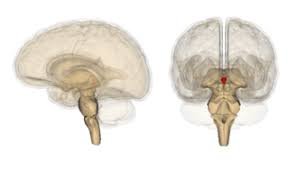
The pineal gland, often referred to as the body’s “third eye,” is a small, pea-shaped endocrine gland located in the brain. It is primarily responsible for the production of melatonin, a hormone that regulates sleep-wake cycles and seasonal biological rhythms. This gland plays a crucial role in maintaining our circadian rhythms, which significantly influence our overall health and well-being.
Melatonin production is triggered by darkness and inhibited by light, highlighting the pineal gland’s connection to not only sleep but also to environmental cues. An imbalance in melatonin levels can lead to disturbed sleep patterns, resulting in various health issues such as insomnia, mood disorders, and even impaired cognitive function. Thus, the health of the pineal gland is paramount in sustaining normal physiological processes and enhancing the quality of life.
Beyond its biological functions, the pineal gland holds significant historical and spiritual meaning across various cultures. Often linked to higher consciousness, creativity, and intuition, it is considered a pivotal point for spiritual awakening and enlightenment. Ancient civilizations viewed the pineal gland as a gateway to deeper spiritual insight, and many still associate it with the metaphysical concept of the “third eye,” representing perception beyond ordinary sight.
In contemporary discussions, the importance of the pineal gland extends into various health and wellness disciplines, incorporating holistic practices aimed at enhancing its function and mitigating potential hazards. Understanding the pineal gland’s role is imperative not only for ensuring optimal health but also for fostering a broader understanding of consciousness and human experience.

What is Fluoride and How Does It Work?
Fluoride is a naturally occurring mineral that is found in various concentrations in water, soil, and many foods. Its significance in dental health has led to its widespread incorporation into dental care products such as toothpaste and mouth rinses, as well as in public health policies aimed at reducing tooth decay. Fluoride works primarily by enhancing the remineralization process of tooth enamel, which can help repair early signs of tooth decay before cavitation occurs. By incorporating into the structure of enamel during its formation, fluoride makes teeth more resistant to acid attacks from plaque bacteria and sugars.
The implementation of fluoride in community water supplies, known as water fluoridation, has been a cornerstone of public health initiatives since the mid-20th century. Health organizations, including the World Health Organization (WHO) and the Centers for Disease Control and Prevention (CDC), endorse its use based on studies indicating significant decreases in dental caries among populations with fluoridated water. However, the use of fluoride is not without controversy; critics argue that its synthetic form, as used in many dental products and water systems, may pose health risks, particularly at excessive levels.
Fluoride exists in both natural and synthetic forms. Natural fluoride is commonly found in ground water while synthetic fluoride, often a byproduct of industrial processes, is introduced into products for its supposed benefits. This distinction raises ongoing debates regarding safety, efficacy, and the ethics of mass medication without consent. While fluoride’s effectiveness in cavity prevention has been widely supported, apprehensions surrounding its long-term impacts on health, especially on endocrine functions such as those involving the pineal gland, continue to fuel discussions among scientists and health professionals alike.
The Science Behind Fluoride and Pineal Gland Calcification
The relationship between fluoride exposure and the calcification of the pineal gland has garnered significant attention in the scientific community. Studies suggest that fluoride, when ingested or absorbed, tends to accumulate in various tissues, including the brain. Within the brain, the pineal gland, which produces melatonin, the hormone responsible for regulating sleep-wake cycles, appears to be particularly susceptible to the effects of fluoride.
Research indicates that fluoride can induce calcification, a process where mineral deposits form in soft tissues. This phenomenon is concerning, as it may disrupt the normal functioning of the pineal gland. There are several hypotheses on how fluoride interacts with biological systems, including the possibility that fluoride disrupts cellular function by influencing intracellular signaling pathways. Elevated levels of fluoride in the body can lead to oxidative stress, ultimately resulting in cellular damage and impairment of glandular activity.
Studies conducted on animal models have demonstrated an increased level of fluoride in the pineal gland after fluoride exposure. A notable study published in the Journal of Neurotoxicology indicates that fluoride exposure is correlated with measurable decreases in melatonin levels. Considering melatonin’s role in promoting restful sleep and its influence on overall mental health, this correlation raises concerns about the long-term effects of fluoride consumption.
Experts in neuroscience and toxicology caution that continued fluoride exposure may lead to cumulative effects that compromise cognitive functioning and emotional health. The implications of pineal gland calcification can extend beyond cognitive disturbances to more profound impacts on consciousness and spiritual well-being, which raises questions about the role of environmental factors, such as fluoride, in shaping not only physical health but mental wellness as well.

Alternatives to Fluoride: Healthier Dental Practices
In an era where the debate surrounding fluoride’s safety is increasingly prominent, many individuals seek alternatives for maintaining optimal oral health. One viable approach involves utilizing natural remedies that have been revered for their dental benefits. Herbal dental products, such as those containing neem, licorice root, or clove oil, offer antimicrobial properties that can help prevent cavities and support gum health without the potential side effects associated with fluoride.
Dietary changes play a crucial role in enhancing oral health. Consuming a diet rich in vitamins and minerals—particularly calcium, phosphorus, and vitamin D—contributes to strong teeth and bones. Incorporating crunchy fruits and vegetables, such as apples and carrots, can promote saliva production, which naturally cleanses the mouth and neutralizes acids. Additionally, avoiding excessive sugar and refined carbohydrates is essential, as these substances are primary contributors to tooth decay.
Implementing lifestyle changes, such as maintaining regular dental check-ups, can further minimize the need for fluoride treatments. One effective practice to reduce decay is the technique of oil pulling, which involves swishing coconut or sesame oil in the mouth to trap bacteria and promote a clean oral environment. Water with a neutral pH can also aid in rinsing away food particles and acids, thereby protecting enamel.
Moreover, informed consent regarding fluoride’s use is crucial for community health policies. Educating the public on fluoride’s potential risks and advocating for less exposure can empower individuals to make decisions aligning with their health beliefs. By encouraging local governments to consider alternatives, communities can evolve practices that prioritize holistic health rather than relying on conventional fluoride treatments. By embracing alternative dental health practices, individuals can maintain oral wellness while minimizing potential fluoride exposure.